Trout Flies
Flies for trout fishing in Pisgah
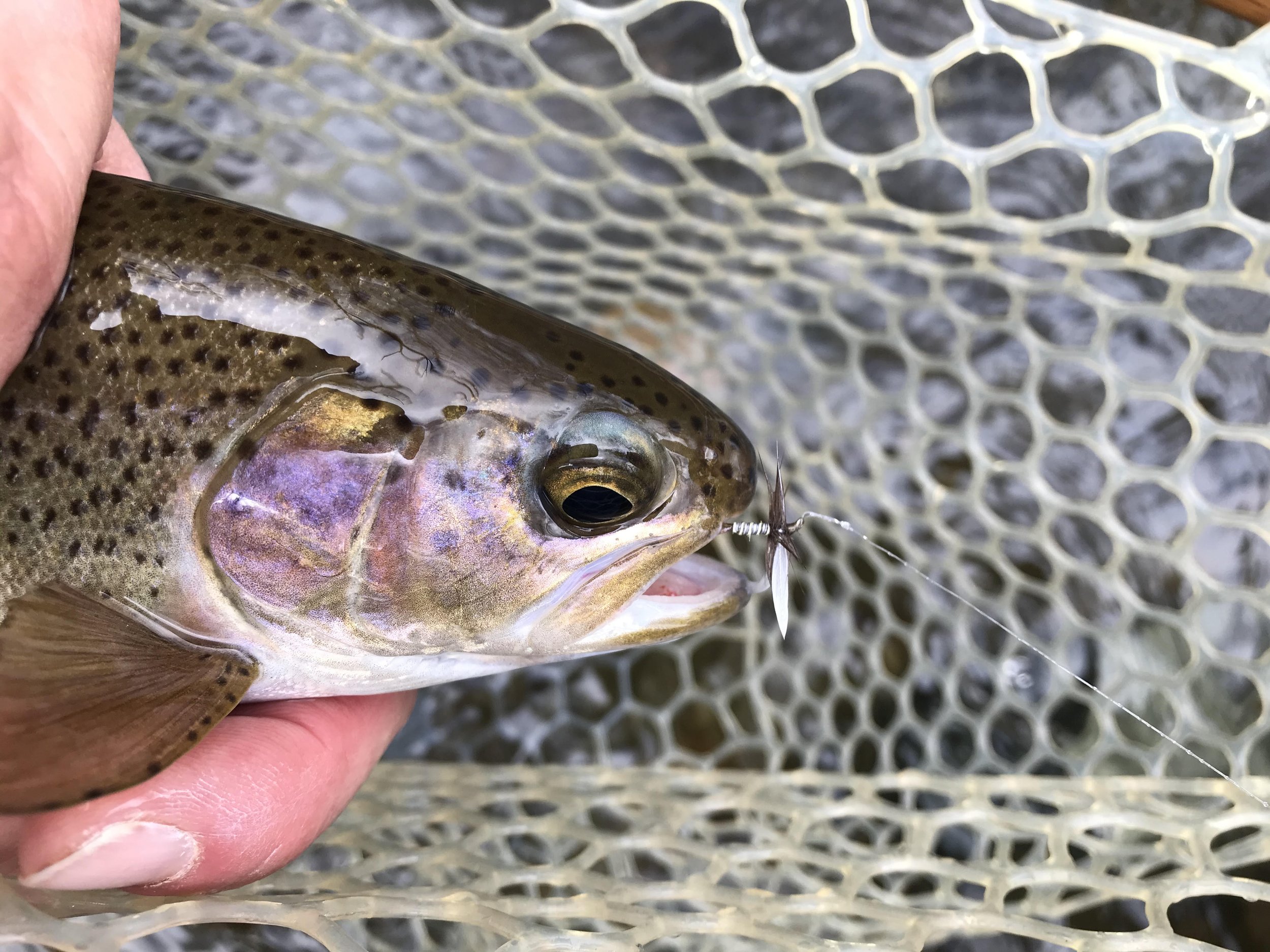
Ever since I was young, I wanted to tie flies and fish for trout. My older cousin made flies and rods, and I liked the idea of catching a trout on a fly that I made. Now, I try to make flies that either match the natural better, float longer, or are more durable.

Hatches of Pisgah Forest
What fly should I use? This common question is only part of the equation. What is the best tactic for specific insects? What insects are commonly found in various water types? What flies should I have in my fly box?
This book not only covers the hatches on the rivers in Western North Carolina, but also teaches you a system for selecting an appropriate fly. It simplifies the process by focusing on seasons rather than a calendar approach. Each season presents the most common insects and flies, but also the conditions and locations to find the hatches. There are tips on selecting flies, patterns, and aquatic insects.
It is more than just a hatch chart; it’s a process. The book has photos of the insect with descriptions and the flies that imitate them. Additionally, there are plenty of tips on how to fish the flies to improve your success.
Quill Gordon
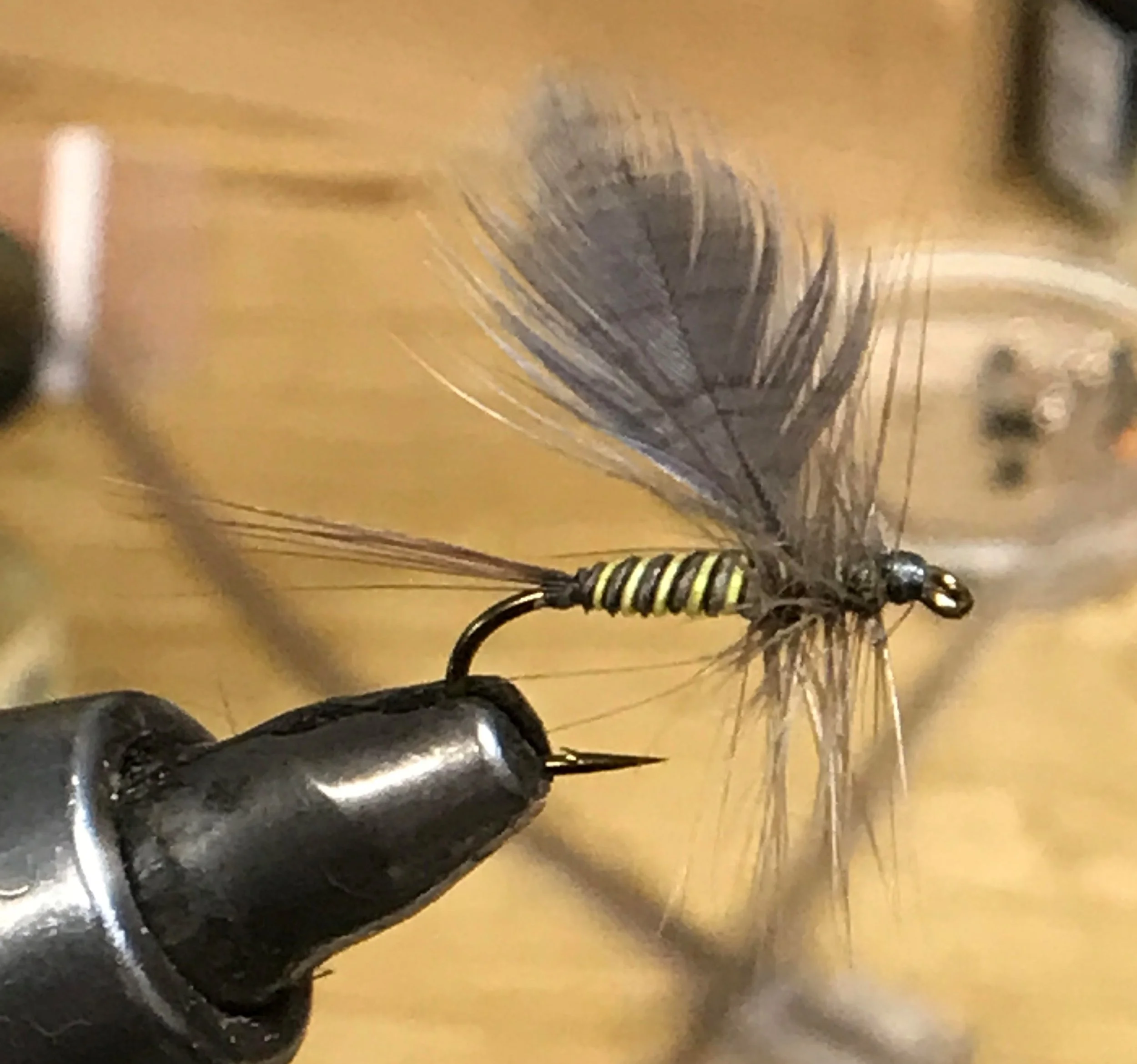
It all begins in the early spring with the Quill Gordon hatch. After a long winter, this large mayfly hatches in the faster water. Some days it seems every trout is greedily feeding on these. Although they look grey when you see them floating down the river, the bellies are greyish yellow. I typically fish a size 12.
Hendrickson Dark
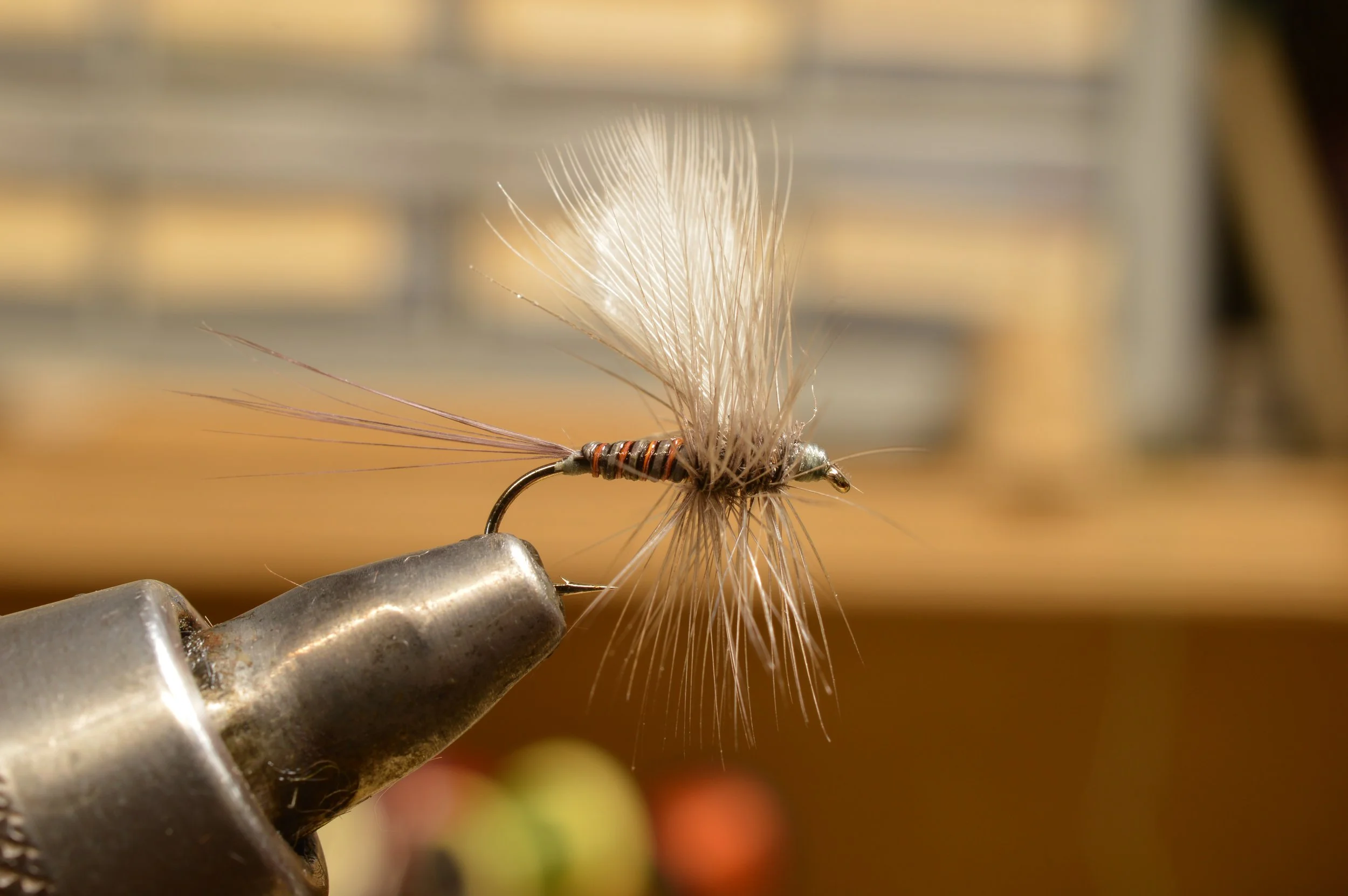
On rivers in Pisgah, trout anglers dream of seeing the Hendrickson hatch. Usually, the Hendricksons come off later than the Quill Gordons, so the temperatures are warmer and the days are pleasant. However, big browns will still come up and eat these insects drifting down the Davidson.
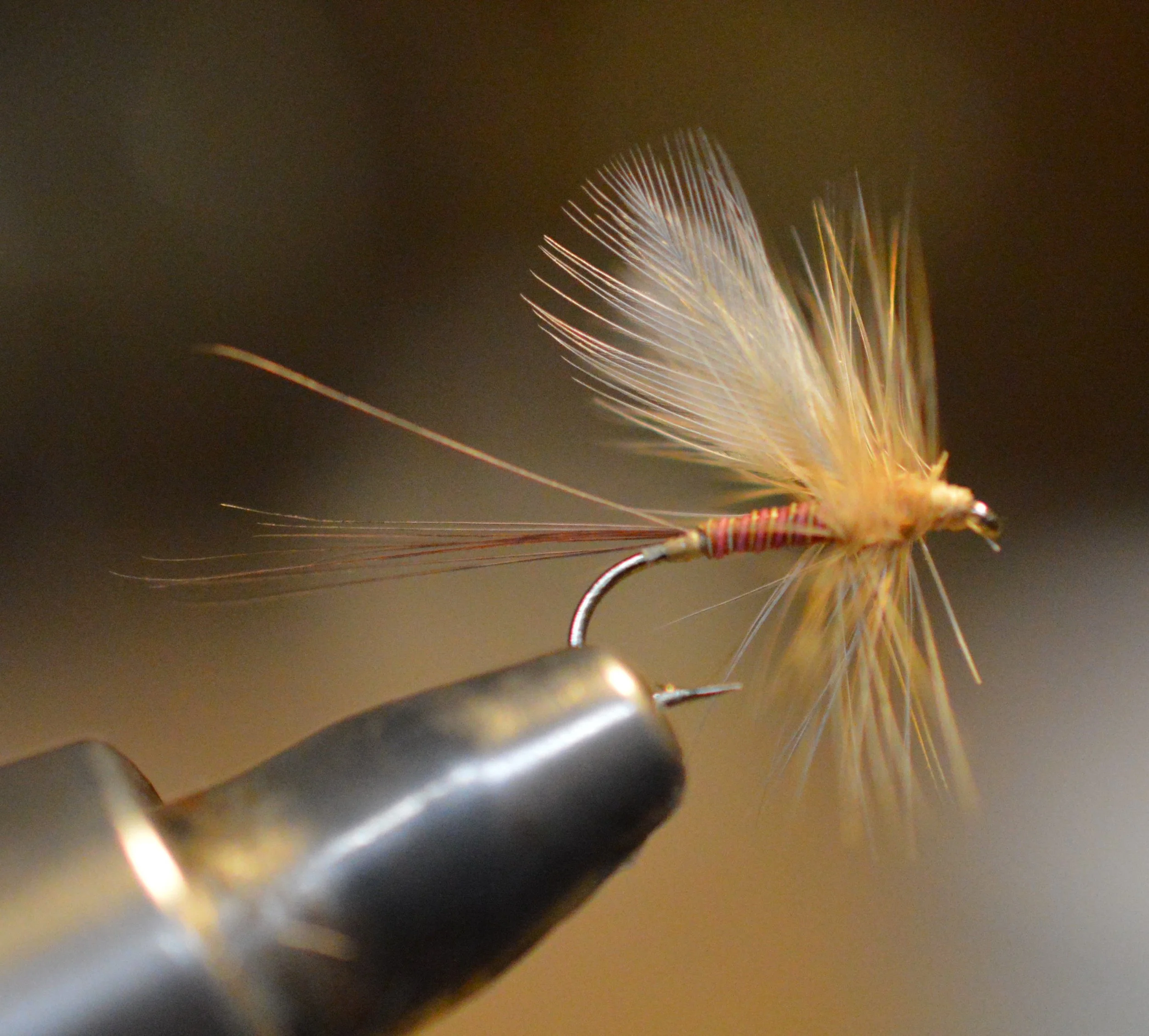
Pink Cahill
The Pink Cahill is not a household name among anglers but our rivers have this insect in sufficient numbers to produce selective feeding. A colorful insect, it is easily seen floating down the river.

Light Cahill
In late spring and early summer, the Cahills are hatching. They come in a variety of sizes ranging from 14 to 18 or 20. Water levels are lower and it is a good bet that the trout are looking up for a dry fly floating by and the Lt Cahill is a good pattern to drift over them.
